Vocationally Speaking
Language classes tailored for professions help give students a competitive edge.
A Spanish class taught by Karen Coachman ’08 MA goes far beyond verb conjugations.
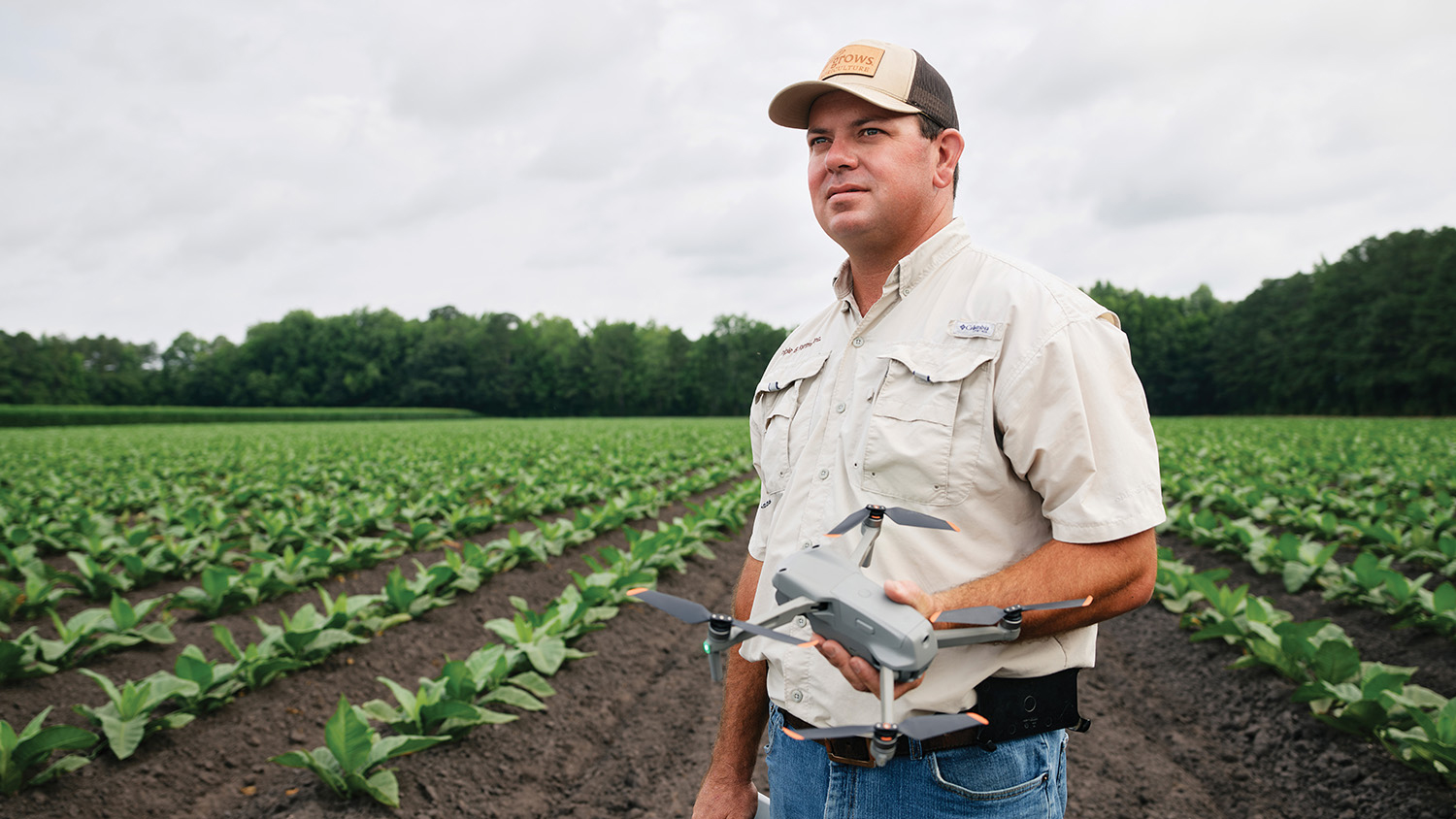
Along with grammar and vocabulary, Intermediate Spanish I for Social Work Professions covers how to talk about things like child abuse and help for the elderly. The class started about 15 years ago, the first of several specialized Spanish courses created by the Department of World Languages and Cultures. Today, students who want to work in healthcare, business or the legal professions can take a Spanish course tailored for them. In 2025, an introductory class for Agricultural Institute students was offered for the first time. Many agriculture students may know some Spanish, “but they don’t know how to talk about crops or animals,” says Inma Navarro, a senior lecturer who coordinates the courses. “This will help make their communications with workers more effective.”
Navarro is collaborating with the College of Engineering on a new Spanish course set to launch in fall 2026. Plans call for the course to cover things like safety manuals, discussions of project management and timelines, and vocabulary related to construction, chemistry and electrical materials. Navarro says she believes it’s one of only a few such courses taught in the country.
All the classes include a look at the real world. Students interested in legal professions visit the Wake County, N.C., courthouse to see bilingual professionals in action. And Navarro says she hopes engineering students can visit construction sites or factories and use their new vocabulary.
“The idea is to provide students with the tools they need in this competitive marketplace,” Navarro says, pointing out that an estimated 45 million people in the U.S. speak Spanish as their first language. “In business, for instance, Bolivia has a lot of lithium. If you go to Bolivia able to speak Spanish, you are going to get a better deal for your company than if you bring a translator.”
Coachman, a senior lecturer, says that at the end of the semester in her course focused on Spanish and social work, students volunteer with a nonprofit that works with Spanish speakers and then share the experience with the class. Students have worked with food banks, diaper banks and groups that help at-risk youth.
“This is all about how students can put their language skills to use in real-world situations,” Coachman says.
Tell Us What You Think
Do you have a personal connection to this story? Did it spark a memory? Want to share your thoughts? Send us a letter, and we may include it in an upcoming issue of NC State magazine.